
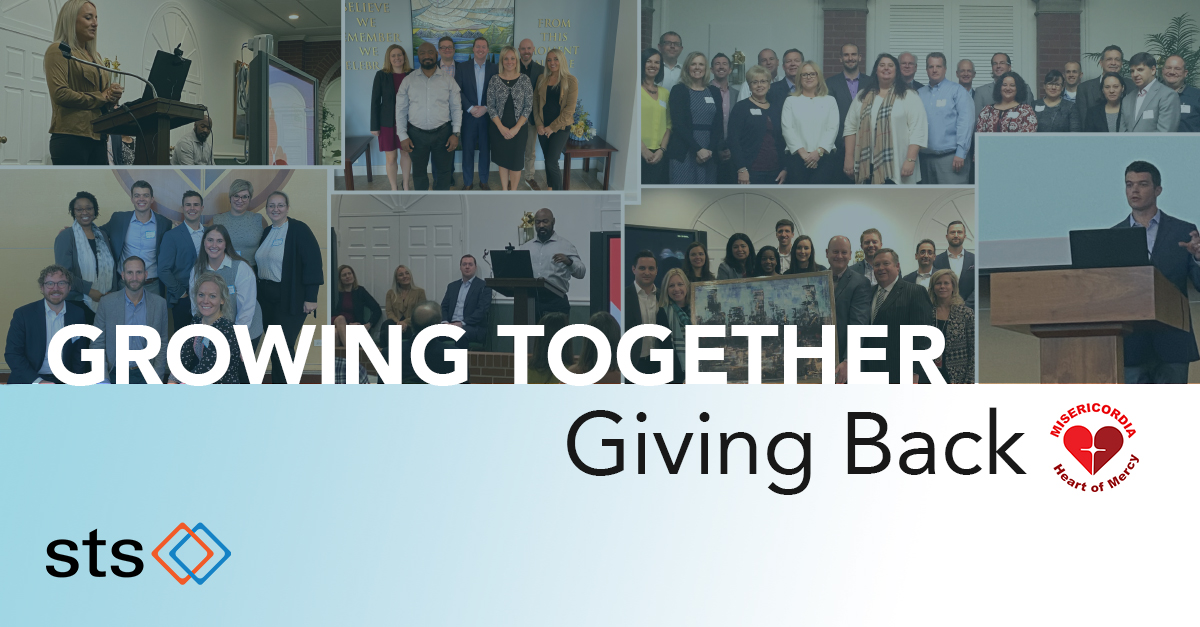
STS and Misericordia Partner to Shape the Leaders of Tomorrow
For the past 12 years, STS® has led an intensive, hands-on learning experience for emerging leaders called the Misericordia Emerging Leaders Board. We’re …

STS Joins AHA Podcast on Succession Planning in Health Care
Succession planning can feel like a luxury in health care, but its importance cannot be overstated. As hospitals continue to …

Five Disciplines of Leaders® – Evolve the Business
Successful leaders do not simply brace themselves for change; they embrace it as a necessary part of ensuring their organizations …

STS/AHA Publish
Succession Planning Guide
STS, in collaboration with AHA, is pleased to announce the publication of a Succession Planning resource developed in partnership with …

Five Disciplines of Leaders® – Build and Develop Winning Teams
The hard work of leading a successful team is often where leaders find they spend most of their time and …

Five Disciplines of Leaders® – Driving Results Through Management Routines
While each discipline represents an essential component of effective leadership, we believe a leader’s success or failure ultimately depends on …

The Subtle Art and Exacting Science of Business Development
STS’s own Brian Caffarelli shares his decades of experience in sales and consulting and what he learned about the art …

Strategic Talent Solutions (STS) Awarded a Spot on the Forbes List of America’s Best Management Consulting Firms
STS is pleased to announce that for the 6th (2017-2022) consecutive year our firm has been selected for inclusion on the …

Five Disciplines of Leaders® – Mobilizing Stakeholders: Align, Communicate & Engage
We use the Five Disciplines of Leaders® model in our consulting and coaching work to assess and develop leaders.

Five Disciplines of Leaders® – Common Challenges to Creating a Credible Strategy
STS developed the Five Disciplines as a framework to help leaders define the work they need to do to lead …

Becoming a Trusted Advisor to Your Investors with Brian Caffarelli
“Earn credibility, demonstrate reliability, create an environment of professional intimacy, and manage out your self-orientation. If you can focus on …

Five Disciplines of Leaders® – Essential Actions for Effective Leadership
Leaders get results not by accident, but by design. The Five Disciplines of Leaders® framework provides a simple yet powerful …
Ben Fearing and Brian Juncker join Evergreen Results “Built for Impact” podcast
Our Managing Partners, Ben Fearing and Brian Juncker, joined Evergreen Result’s Built for Impact podcast to talk about the challenges …

The Value of Successful Executive Onboarding and Integration
As our workplaces have shifted and evolved in recent years, so too have companies’ initial onboarding processes. Today, organizations around …

Weathering the Storm – COVID-19 C-Suite Survey
STS surveyed senior executives to gain insight into their experiences and perspectives leading their organizations through the early stages of …